Sköter du ekonomin själv? Här är 7 tecken på att det redan kostar dig pengar
Sköter du ekonomin själv? Här är 7 tydliga tecken på att det är dags att ta hjälp – och hur rätt ekonomistöd kan spara både tid och pengar.
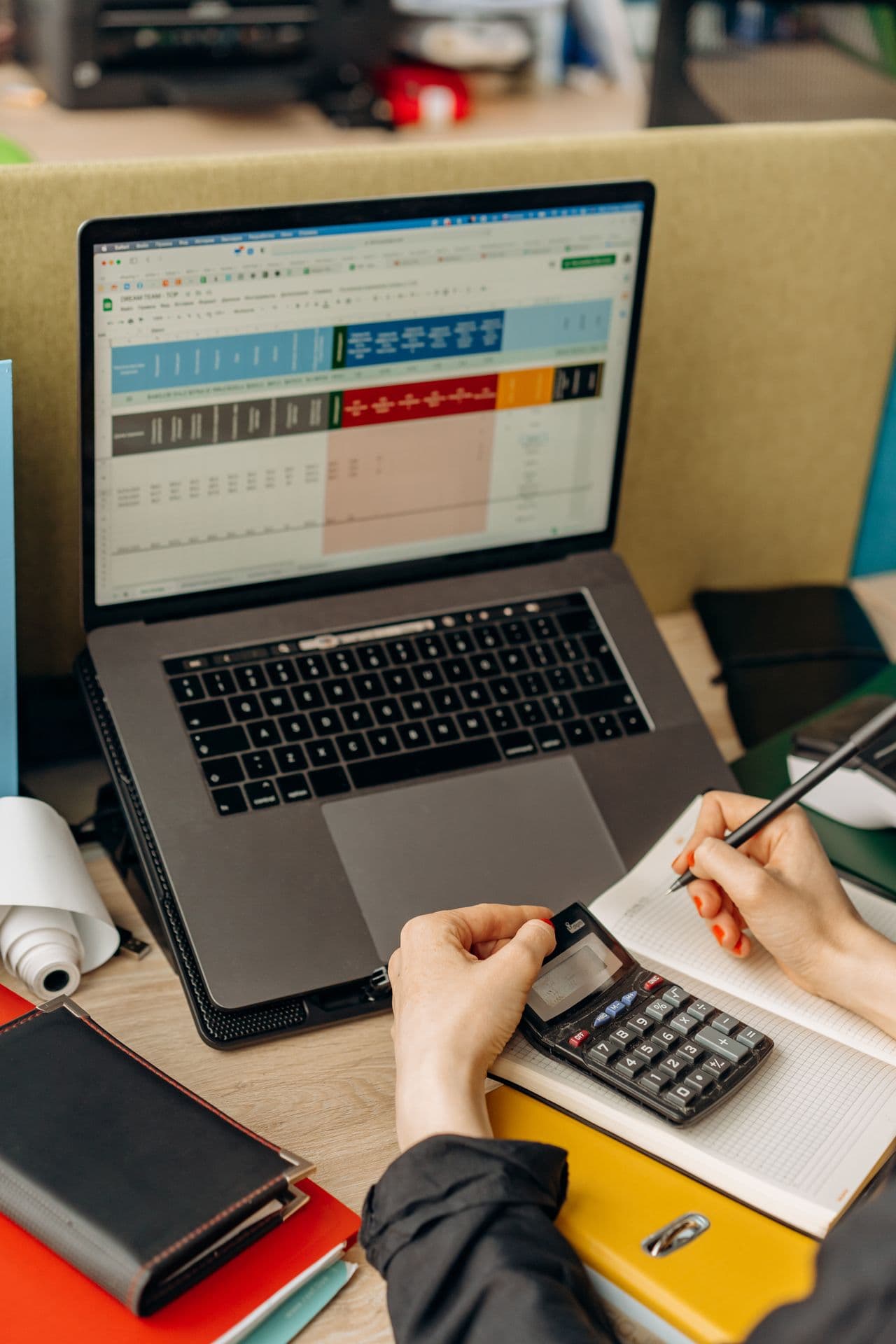
När är det dags att sluta sköta ekonomin själv?
Du startade inte ditt företag för att bokföra kvitton.
Du startade det för att bygga något.
En idé. En produkt. En verksamhet.
Och i början gör du allt själv.
Det är naturligt.
Du skickar fakturor på kvällen, kollar kontot lite då och då och försöker hålla koll på vad som går in och ut.
Det fungerar.
Till en början.
Men någonstans på vägen förändras något.
Företaget växer. Besluten blir större. Konsekvenserna blir tydligare.
Och plötsligt räcker det inte längre att “ha lite koll”.
Frågan blir då inte längre:
“Kan jag sköta ekonomin själv?”
Utan:
“Borde jag verkligen göra det?”
Vad innebär det att sköta ekonomin själv?
Många tänker att det handlar om bokföring.
Men i praktiken är det mycket mer än så.
Att “sköta ekonomin själv” innebär ofta att du ansvarar för:
-
Löpande bokföring
-
Fakturering och uppföljning
-
Moms och skatter
-
Lönehantering
-
Uppföljning av resultat
-
Enklare ekonomiska beslut
Och i början räcker det.
För då är verksamheten enkel.
Få kunder. Få kostnader. Få beslut.
Men i takt med att företaget växer förändras allt.
Ekonomi går från att vara administration- till att bli styrning.
Varför så många fortsätter göra allt själva
Det finns flera anledningar till att företagare håller kvar vid ekonomin längre än de borde.
Det handlar sällan om okunskap.
Oftare handlar det om:
-
Kostnadsmedvetenhet
-
Behov av kontroll
-
Vanan att lösa allt själv
Det känns billigare.
Tryggare.
Enklare.
Men det är också här många företag fastnar.
För det som sparar pengar på kort sikt kan kosta betydligt mer på lång sikt.
7 tecken på att det är dags att sluta sköta ekonomin själv
1. Du lägger flera timmar varje vecka på ekonomi
Tid är din viktigaste resurs.
Och som företagare är din tid ofta den dyraste.
Om du lägger 5–10 timmar i veckan på ekonomi innebär det:
-
Mindre tid för försäljning
-
Mindre tid för utveckling
-
Mindre tid för tillväxt
Frågan är inte om du kan göra det själv.
Frågan är om det är rätt användning av din tid.
2. Du fattar beslut baserat på magkänsla
Du har en känsla för hur det går.
Men när du ska fatta beslut saknar du tydliga siffror.
Ska du:
-
Anställa?
-
Investera?
-
Växa?
Utan rätt underlag blir varje beslut en chansning.
Och ju större företaget blir, desto dyrare blir fel beslut.
3. Du vet inte hur ditt kassaflöde ser ut framåt
Du kanske har pengar på kontot idag.
Men vad händer om:
-
En kund betalar sent
-
En större kostnad dyker upp
-
Intäkterna varierar
Om du inte har en tydlig bild av kassaflödet framåt saknar du ett av de viktigaste verktygen för att driva företag.
4. Ekonomin känns som ett stressmoment
Ekonomi ska skapa trygghet.
Inte stress.
Om du:
-
Oroar dig inför moms
-
Känner dig osäker på siffror
-
Undviker att titta på ekonomin
Då är det ett tydligt tecken på att något behöver förändras.
5. Du har börjat anställa
Att anställa förändrar allt.
Plötsligt handlar ekonomin om:
-
Lönehantering
-
Arbetsgivaravgifter
-
Semesterlöneskulder
-
Personalkostnader
Det är inte längre bara siffror- det är ansvar.
Och fel här kan bli dyrt.
6. Du växer- men saknar kontroll
Tillväxt känns bra.
Fler kunder. Högre omsättning.
Men växer du lönsamt?
Vilka kunder tjänar du pengar på?
Vilka kostnader äter upp marginalen?
Utan analys riskerar tillväxten att bli ett problem istället för en styrka.
7. Du skjuter upp ekonomiska beslut
När siffrorna känns otydliga händer något:
Du väntar.
Du skjuter upp beslut.
Du “tar det sen”.
Problemet är att:
Beslut som skjuts upp ofta blir dyrare.
Vad kostar det att fortsätta göra allt själv?
Det är lätt att se ekonomistöd som en kostnad.
Men den verkliga kostnaden ligger ofta i att inte ta hjälp.
Det kan handla om:
-
Felaktiga anställningar
-
Missade skattefördelar
-
Kassaflödesproblem
-
Beslut som aldrig tas
Eller ännu värre:
Möjligheter som aldrig blir av.
Vad förändras när du tar hjälp?
När du slutar göra allt själv händer något viktigt.
Du går från:
Reaktiv → Proaktiv
Istället för att:
- Reagera på problem
kan du:
-
Förutse dem
-
Planera framåt
-
Fatta bättre beslut
Det handlar inte om att släppa kontroll.
Det handlar om att få bättre kontroll.
Måste man anställa en ekonom eller CFO?
Inte nödvändigtvis.
För många små och medelstora företag är en heltidsanställning:
-
För dyr
-
För omfattande
-
Inte anpassad efter behov
Det är därför fler företag väljer en mer flexibel lösning.
Där man får tillgång till:
-
Kompetens
-
Verktyg
-
Insikter
utan att behöva bygga en hel intern funktion.
Sammanfattning
Att sköta ekonomin själv är ofta rätt i början.
Men i takt med att företaget växer förändras kraven.
Det handlar inte längre om att hinna med.
Det handlar om att fatta rätt beslut.
Och för att göra det behöver du:
-
Rätt siffror
-
Rätt analys
-
Rätt framförhållning
Vill du få bättre kontroll utan att göra allt själv?
Att ta hjälp med ekonomin handlar inte om att släppa taget.
Det handlar om att få bättre insikt, bättre struktur och bättre beslutsunderlag.
Med rätt stöd kan du:
-
Sluta lägga tid på administration
-
Få tydlig bild av din ekonomi
-
Fatta beslut med trygghet
Vill du se hur det kan fungera i praktiken?
Boka ett möte med oss på MinCFO så visar vi hur du kan ta nästa steg: https://www.mincfo.com/contact
Vanliga frågor
När ska man sluta sköta ekonomin själv?
När tiden, osäkerheten eller komplexiteten börjar påverka dina beslut och din tillväxt.
Måste man anställa en ekonom?
Nej, många företag väljer idag en extern lösning som är mer flexibel.